
Is Your Child Ready for a Longer Lesson? Here's How to Tell
Music Lesson Length Guide: Signs It's Time to Move from 30 to 45 or 60 Minutes
A lot of families start with a 30 minute music lesson, and for good reason. It's a manageable first step, especially for younger kids or anyone new to an instrument. But lesson length isn't meant to stay the same forever. As a student grows, so does what they can get out of a lesson, and at some point 30 minutes starts to feel less like enough time and more like a limit.
Here's how to know when it's time to increase your child's lesson length, whether that's moving from 30 to 45 minutes or 45 to 60 minutes.
How Long Should Music Lessons Be?
There's no single answer that fits every student. Lesson length really comes down to age, instrument, skill level, and how much material a student is working through each week. A 30 minute lesson is a great starting point for most beginners. A 45 minute lesson tends to suit students working through intermediate material or juggling more than one focus area, like technique and music theory in the same session. A full 60 minute lesson is common for advanced students, or anyone preparing for a recital, audition, or competition.
The signs below will help you figure out which category your child is starting to fall into.
1. The Lesson Ends Mid-Lesson
If a teacher is regularly cutting a concept short, or saving something for "next week" that really should have been covered today, that's a sign the current lesson length is working against the material. Early on, this doesn't come up much because beginner material is smaller. As a student advances into longer pieces or more detailed technique, there's simply more ground to cover, and less time to spare.
2. Warm-Up Is Taking Up Too Much of the Lesson
Every music lesson needs a few minutes to settle in: tuning an instrument, reviewing the past week, getting back into rhythm. In a 30 minute lesson, that warm-up can end up taking a bigger share of the time than it should, leaving less room for actual progress. If warm-up regularly runs past five or ten minutes and crowds out new material, a longer lesson gives that transition room to happen without cutting into the real work.
3. Your Child Is Asking for More Time
Sometimes the clearest sign is the simplest one. A student who wants to keep playing after the lesson ends, who's frustrated when time runs out mid-piece, or who asks why lessons can't be longer is telling you something. That kind of interest is worth building on.
4. Progress Has Plateaued Despite Consistent Practice
If your child is practicing regularly and still feels stuck in the same place for weeks, lesson length itself might be the bottleneck. A shorter lesson covers less ground per session, which naturally slows down how quickly growth shows up. A 45 or 60 minute lesson gives a teacher room to work through technique, theory, and repertoire in the same sitting instead of choosing between them.
5. The Music Is Getting More Complex
Beginner pieces are short and simple by design. As students move into intermediate repertoire, songs get longer, technique gets more detailed, and there's more material to review each week. A longer lesson gives a teacher the space to actually work through a full piece, rather than only touching part of it before time runs out.
What Moving Up a Lesson Length Actually Looks Like
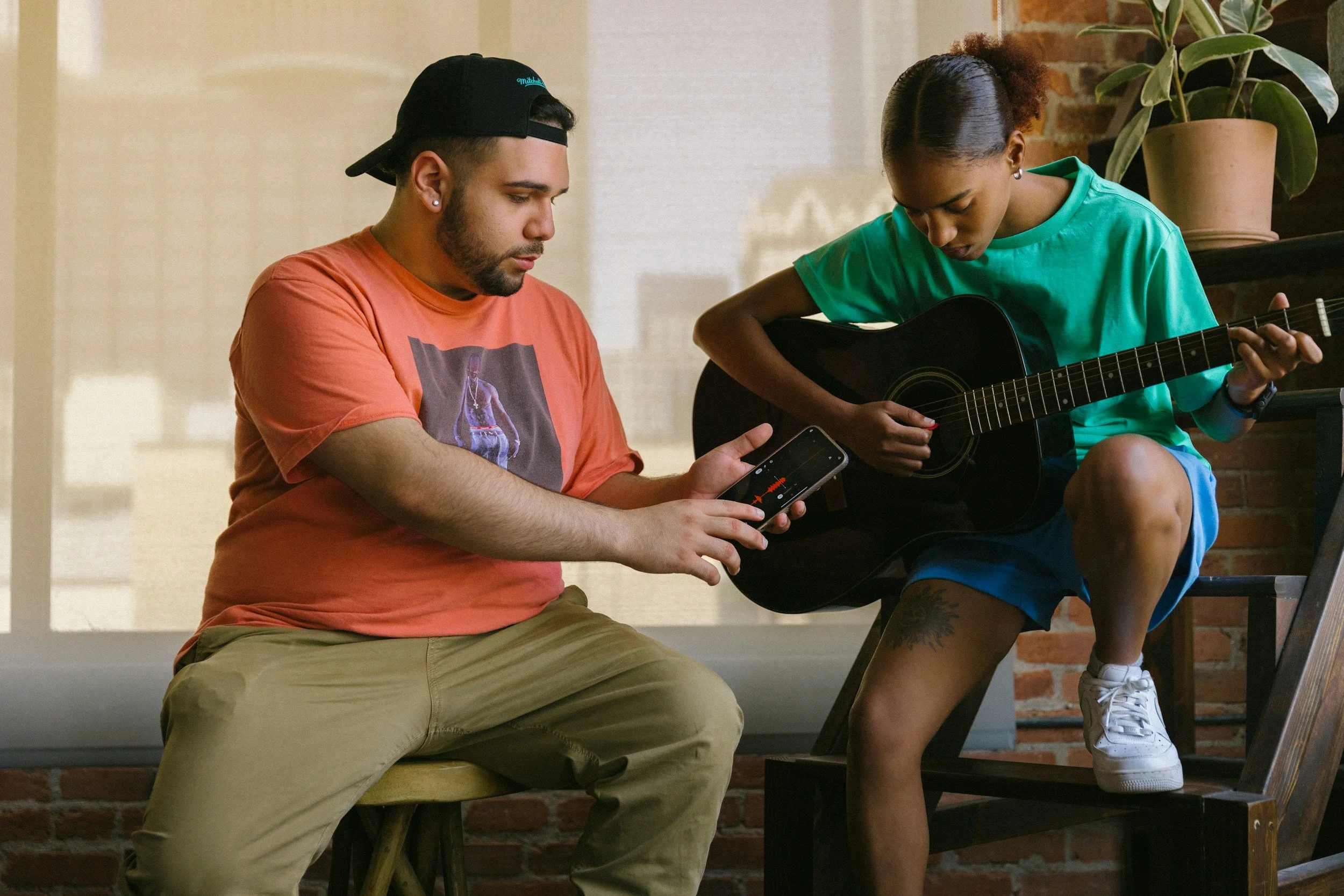
Switching lesson lengths doesn't need to happen all at once. Many students move from 30 to 45 minutes as a middle step before eventually reaching a full hour, especially once they're preparing for recitals, auditions, or more advanced repertoire. Your child's teacher is usually the best judge of timing here, since they see week to week where the current lesson is running short.
Frequently Asked Questions About Music Lesson Length
What is the best lesson length for a beginner? Most beginners, especially younger children, do well starting with a 30 minute lesson. It's enough time to build skills without asking for more focus than a beginner typically has to give.
When should a student move to a 45 minute lesson? Once a student is comfortably working through intermediate material, or a teacher is regularly running out of time to cover everything planned for the week, 45 minutes is usually the next step.
Do advanced students need a full 60 minute lesson? Not always, but many do, especially when preparing for recitals, auditions, or competitions that require deeper work on repertoire and technique in a single sitting.
Can we switch lesson lengths mid-year? Yes. Lesson length can be adjusted whenever it makes sense for a student's progress, it isn't locked in for the full year.
Talk to Your Child's Teacher
If any of this sounds familiar, bring it up with your child's teacher directly. They'll be able to tell you whether the current lesson length still fits, or whether it's time to give your child more room to grow. At Stage Music Center, we offer 30, 45, and 60 minute lessons at both our Acton and Winchester locations, so there's flexibility to adjust as your child's needs change.
Start Your Musical Journey
Learning an instrument gives children a stronger brain, a creative outlet, and skills that last a lifetime. Stage Music Center is proud to guide students at every step of their musical path.
Begin music lessons today in Winchester or Acton.
Ready to embark on this exhilarating musical adventure? Take the first step, sign up for music lessons at Stage Music Center today. Or contact us for more information about our music classes.
The school offers a variety of music lessons to the residents of Acton and Winchester, MA, in addition to catering to areas like Stoneham, Woburn, Arlington, Medford, Lexington, Carlisle, Concord, Westford, and Littleton. Stage Music Center provides students with the opportunity to explore their musical passions and develop their talents.
Learn more about our music lessons.
Register online or contact us for more information.